
For the past few years, I’ve been immersed in conversations around AI ethics and responsible use—not always through big policies or global forums, but in classrooms, training halls and Zoom sessions with educators, school leaders and professionals across Brunei.
It started with our digital education programmes for school leaders, which at the time were just beginning to touch on what AI could mean for teaching and learning. That curiosity eventually led me to South Korea, where I attended the Digital Education Policy Training—an experience that shaped the way I saw education, strategy and technology coming together.
When I returned, I began writing and proposing policy ideas focused on digital learning and future readiness. From there, I developed and facilitated the “Building a Future-Ready Mindset” workshop series, where I started engaging more deeply with stakeholders across sectors. One of those engagements led me to a conversation with AITI—and that’s where this part of the story began.

Last week, I received this letter. A simple gesture, but one that quietly marks a journey I’ve been part of for the past year. If you asked me then, I wouldn’t have known this would lead to where it does today. Not. A. Clue!
Brunei’s Guide on Artificial Intelligence (AI) Governance and Ethics is now officially published. You can read the full guide here: https://aiti.gov.bn/AIGuideGE
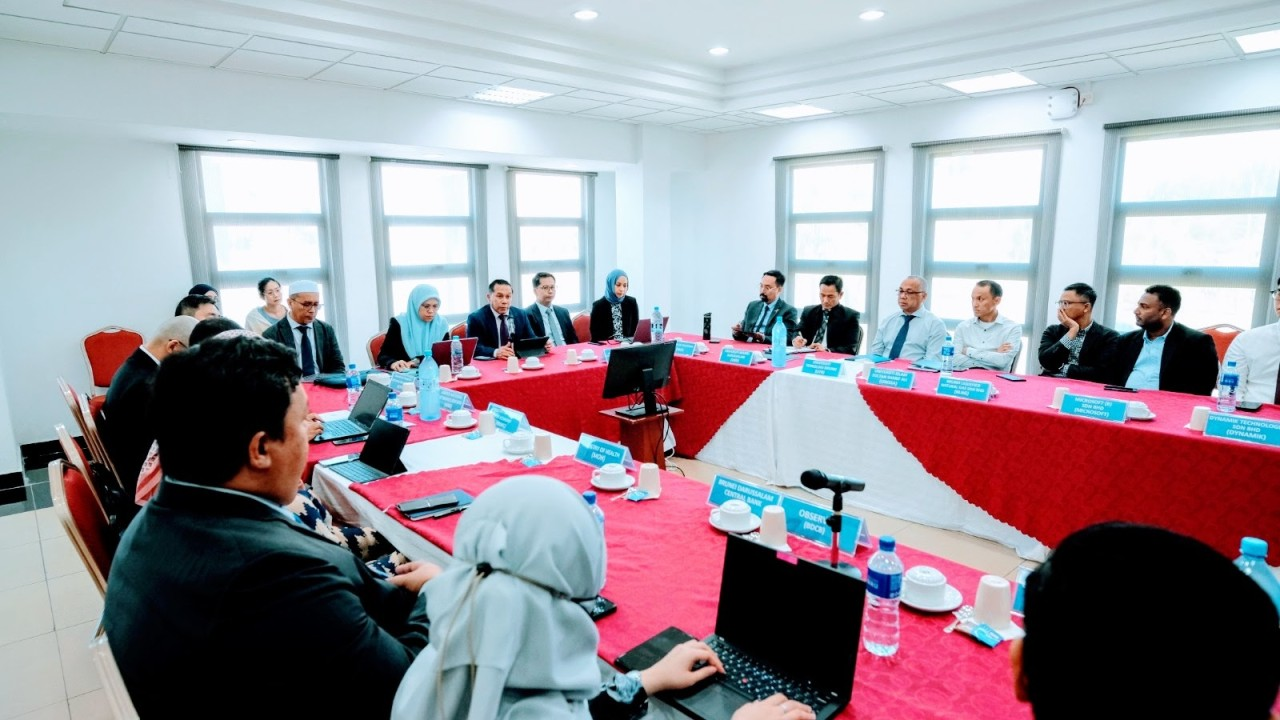
Awyway, sometime before the AI Governance Symposium in June 2024, I got invited by AITI to be part of a working group that would help shape Brunei’s national approach to AI governance and ethics. At the time, I didn’t know exactly what the process would involve, only that it was an important and necessary step (plus, I was very excited to contribute however I could!).
The symposium, when it arrived, felt like a public beginning to a conversation we had already started. I was invited to speak on a panel during the event, and that day brought together many perspectives: from government, tech, education and more. It was encouraging to see that this wasn’t just about adopting AI, but about taking ownership of how we guide it—ethically, responsibly and, even more important, with our own context in mind.

Over the following months, we had a series of working sessions with the whole working group members. AITI facilitated the process with focus and intention. The guide wasn’t something rushed or imposed; it was built layer by layer, through dialogue, feedback and collaboration.
My role was but a small part of a much bigger effort. I contributed ideas and reflections (or tried my best to)—mostly related to AI in education, capacity-building and how we make sure that inclusion and ethics are not afterthoughts. I also drew from my ongoing work in AI literacy and public engagement, especially with communities that don’t always get to be part of these conversations.

What stood out throughout this process was how we pushed to be locally grounded and thoughtful. It’s not just trying to replicate what other countries had done but also asking what made sense for Brunei—our people, our pace, our policies.
This guide matters to me. It reflects a commitment from a small nation to approach AI seriously, with care and humility. And I feel fortunate to have played a small role in that. The next step is to also include what this means for front-end users – the policy users.
And it’s more important now than ever with the rise of generative AI. I predict more and more people will start to create but forget to inform.
If you’d like to read the guide, or you’re exploring similar efforts in your own country, you can find it here: https://aiti.gov.bn/AIGuideGE
Thanks again to Authority for Info-communications Technology Industry of Brunei Darussalam (AITI) for the trust, and to everyone in the working group who brought their insight and care into the process.
